
Build a Strong Foundation with an Early Childhood Education Diploma
The Early Childhood Education Diploma at Iowa Lakes provides the essential skills, hands-on experience, and industry certifications needed to jumpstart your childcare and early education career. In just three terms, you’ll gain expertise in child growth and development, curriculum planning, classroom guidance, and child health, safety, and nutrition. Through our program, you are prepared to create engaging, age-appropriate learning experiences that support young children’s development. Combining practical knowledge with professional coursework will prepare you well for roles in preschools, childcare centers, and early learning programs. Whether you want to become a childcare provider, teaching assistant, nanny, or Head Start program staff member, this diploma provides the foundation for a meaningful career working with children.
Students also have the flexibility to continue their education by applying their diploma toward the Early Childhood Education AAS degree, opening up even more career opportunities in the field.
Our Early Childhood Education, AAS program follows the National Association for the Education of Young Children (NAEYC) Professional Preparation Standards, ensuring you receive high-quality, industry-aligned training that prepares you for the demands of the field.
Explore career opportunities and salary projections through the U.S. Bureau of Labor Statistics Early Childhood Education Outlook.
Connect with an enrollment coach today and take the first step toward shaping young minds!

Find Your It!

Kickstart your Early Childhood Education Career at Iowa Lakes!
Develop Core Skills in Early Childhood Education
The Early Childhood Education Diploma program at Iowa Lakes provides students with foundational training in:
- Child Growth & Development – Understand key stages of emotional, cognitive, and social growth
- Curriculum Planning – Learn to design age-appropriate lesson plans and learning activities
- Child Health, Safety & Nutrition – Develop strategies for creating safe and supportive learning environments
- Classroom Guidance & Behavior Management – Build techniques to foster positive interactions and learning experiences
Real-World Experience & Workforce Readiness
Students gain hands-on experience through:
- Practicum & Classroom Observations – Work directly with children in licensed childcare centers
- Guided Teaching Experience – Learn from seasoned early childhood educators
- NAEYC-Aligned Training – Receive education that meets national professional standards
Program Details
Length

2 terms
Degree
Diploma (33 credits)
Campus
Estherville
Your Career Pathway: Additional Degree & Certificate Options
Additional Information
Term 1
ECE 103 – Intro to Early Childhood Ed
Gives students a historical and philosophical foundation of the field of early childhood education. Includes an overview of assessment and trends that influence best practices. Explores careers in the field. Addresses influences of families and diversity.
ECE 110 – Early Childhood Professionals I
Emphasizes problem solving skills and team building through a variety of group activities.
Prerequisites: Enrollment in Early Childhood Education program
ECE 112 – Portfolio Development I
Guides students’ development of a professional early childhood education portfolio showcasing their knowledge, skills, and dispositions in alignment with the NAEYC Standards for Professional Preparation of Students at the Associate Degree Level.
ECE 133 – Child Health, Safety, and Nutrition
Focuses on current concepts in the fields of health, safety and nutrition and their relationship to the growth and development of the young child ages birth to eight. Blends current theory with practical applications and assessments. Includes the influences of families and diversity on health, safety, and nutrition in early childhood settings.
ECE 158 – Early Childhood Curriculum I
Focuses on the development, implementation and assessment of appropriate environments and curricula for young children ages three through eight. Students prepare to utilize developmentally appropriate practices in a context of family and culturally sensitive care. Emphasis is on understanding children’s developmental stages and developing appropriate learning opportunities, interactions and environments in the following areas: dramatic play, art, music, fine and gross motor play.
ECE 170 – Child Growth and Development
Reviews typical and atypical development of children from conception to adolescence in all developmental domains. Presents interactions between child, family and society within a variety of community and cultural contexts. Examines theories associated with our understanding of children.
ENG 105 – Composition I
Emphasis on expository and argumentative writings including a review of usage and mechanics.
Prerequisites: Satisfactory score on the ACT, Accuplacer, ASSET, COMPASS as determined by Iowa Lakes policy
Term 2
ECE 111 – Early Childhood Professionals II
Emphasizes human relations skills including communication, leadership, personal appearance, etiquette and job seeking skills.
Prerequisites: ECE 110 – Early Childhood Professionals I
ECE 159 – Early Childhood Curriculum II
Focuses on the development, implementation and assessment of appropriate environments and curricula for young children ages three through eight. Students prepare to utilize developmentally appropriate practices in a context of family and culturally sensitive care. Emphasis is on understanding children’s developmental stages and developing appropriate learning opportunities, interactions and environments in the following areas: emergent literacy, math, science, technology and social studies.
ECE 221 – Infant/Toddler Care and Education
Focuses on care, education, and assessment of children from birth to thirty-six months. Prepares students to utilize developmentally appropriate practices including responsive caregiving, routines as curriculum, importance of relationships with diverse families, and a focus on the whole child in inclusive settings.
ECE 243 – Early Childhood Guidance
Focuses on developmentally appropriate, evidence-based approaches and positive guidance strategies for supporting the development of each child. Emphasizes supportive interactions and developmentally appropriate environments. Uses assessment to analyze and guide behaviors. Studies impact of family, and each child’s culture, language and ability on child guidance.
ECE 262 – Early Childhood Field Experience
Supervised experience in selected early childhood settings serving children ages birth through eight. Includes integration of theory, research, and reflective practice. Provides an understanding of developmentally appropriate practices and the developmental stages of diverse populations of young children and families. Emphasizes professional relationships and behavior, appropriate adult / child interactions, basic curriculum planning, and program routines.
Prerequisites: ECE 170 – Child Growth and Development
Corequisites: ECE 158 – Early Childhood Curriculum I and ECE 159 – Early Childhood Curriculum II
SPC 101 – Fundamentals of Oral Communication†
The fundamentals course develops the basic skills involved in a variety of communication situations, including oral presentations and interpersonal speaking. Emphasis is placed on organization, audience analysis, vocal and physical delivery, listening, nonverbal communication, critical thinking, and methods of dealing with communication apprehension through class discussion and activities.
General Education & Program Learning Outcomes
In the Early Childhood Education Program at Iowa Lakes, you will learn how to:1
- Identify appropriate milestones of child development
- Create developmentally appropriate learning environments
- Demonstrate supportive, respectful, reciprocal relationships using knowledge of family systems, culture, and community
- Conduct responsible assessment to promote positive outcomes to support young children and their families
- Apply effective strategies and learning approaches for early education
- Design plans to implement developmentally appropriate learning opportunities that promote development within all learning domains
- Apply an ethical understanding of the early childhood profession
- Advocate on behalf of young children and their families
1The What You’ll Learn section of our website provides a description of Learning Outcomes for students who successfully complete all requirements for obtaining an Early Childhood Education diploma from Iowa Lakes Community College.
Certifications & Accreditation
Graduates of the Early Childhood Education AAS program at Iowa Lakes earn industry-recognized certifications that prepare them for safe, responsible, and effective caregiving in educational settings.
Specialized Certifications:
- First Aid & CPR – Emergency response training for infants, children, and adults
- Bloodborne Pathogens – Safety protocols for handling potential exposure in childcare settings
- Mandatory Child Abuse Reporting – Training to recognize and report signs of abuse and neglect
- Essentials Training – Fundamental knowledge for maintaining a safe and supportive learning environment
Accreditation:
The Early Childhood Education program at Iowa Lakes follows the National Association for the Education of Young Children (NAEYC) Professional Preparation Standards, ensuring students receive top-quality, industry-aligned education that meets national professional benchmarks for early childhood educators.
Career Opportunities & Advancement
Graduates of the Early Childhood Education AAS program are prepared for roles such as:
- Teaching Assistant – Support lead teachers in preschools, Head Start programs, and elementary classrooms
- Childcare Provider – Work in licensed childcare centers, in-home daycare, or private care settings
- Nanny – Provide personalized early education and care for families
- Early Childhood Program Director – Oversee the operation and management of childcare programs
- Transfer to a Four-Year University – Continue your education in early childhood development or elementary education
With strong job placement rates and high demand for early childhood educators, Iowa Lakes provides the practical training, industry-aligned curriculum, and professional experience needed to launch a successful career in education.

Hands-On
Training
Career-Ready
Day One
Opportunities, Earnings & Growth

Projected Employment Growth
.6%
Potential Careers
Childcare Worker, Teacher Assistant, Education Administrator, Preschool and Childcare Center, Self
Employment, In-home Day Care, Nanny
Projected Earnings
Iowa Workforce
$36,650
Average Salary
US Bureau of Labor
$47,110
Average Salary

START YOUR LAKER JOURNEY IN 4 STEPS!




Questions? Let's Talk
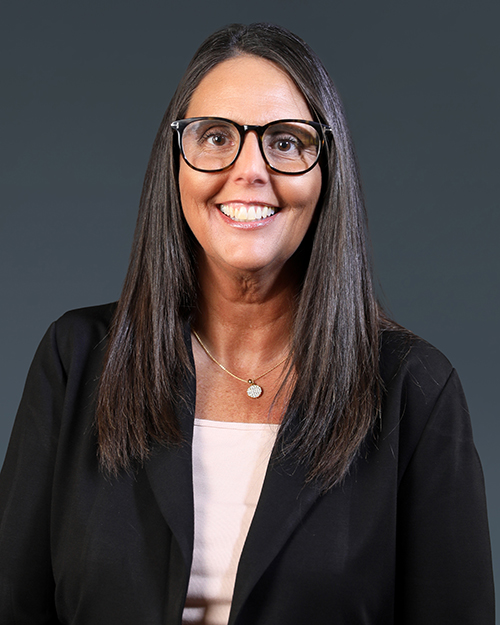 |
Melissa Regelstad Professor | Early Childhood Education 712-362-7910 | mregelstad@iowalakes.edu |