

SAVE Program
The Student Alternative Vocational Education (SAVE) Program is a vocational and educational program that prepares high school special education students to enter the competitive workforce. SAVE is a 4+ program located at Iowa Lakes Community College. Working with their high school, Iowa Lakes continues to provide special education services to fulfill unmet transition needs as identified in the student’s IEP.
As you consider the learning characteristics of your students, use the following rubric as a guide to determine college success with 4+support.
Who is eligible
To be eligible for the SAVE Program, the student must be enrolled in a high school special education program, as well as have unmet transition needs as identified by an IEP team. Additionally, the student must be between 18 and 21 years old, demonstrate socially responsible behavior, and possess the skills necessary to live independently in a college dorm setting.
For more information on the referral process, please see the drop-downs below.
SAVE Program course options
The SAVE program at Iowa Lakes offers students the opportunity to enroll in a Career Readiness program or a General Education program.
Career Readiness
Career Readiness is a specially designed curriculum geared for students with unmet living, learning, and/or working needs. This unique curriculum is appropriate for students who have received modifications or have used para-professional support while in high school. The curriculum emphasizes life, vocational, and employability skills, as well as self-advocacy skills.
For a list of courses in this curriculum, please see below.
General Education (Career Roadmap)
Students enrolled in the general education program option have the same expectations as their peers. Students can receive accommodations, but no modifications.
Check out the educational options available on the Emmetsburg, Estherville, and Spencer campuses at Iowa Lakes in our College Catalog.
A student’s referral to the SAVE program is a team decision and is not based on individual recommendations. Potential SAVE candidates should be identified by at least their junior year of high school, with the transition discussion beginning as early as age 14.
This checklist is for Special Education Instructors only. Instructors referring a student to the SAVE program at Iowa Lakes should complete the following steps to complete the referral process:
- Complete a SAVE Referral Form
- Submit copy of current IEP
- Submit copy of latest third year evaluation (if different from current IEP)
- Initiate information for student to set up a college visit to learn more about the SAVE program.
All steps must be completed and submitted to Michelle Kogel, SAVE Program Coordinator.
Referral Information may be sent by mail or email:
Iowa Lakes Community College
Attn: Michelle Kogel
3200 College Drive
Emmetsburg, IA 50536
Submit Referral by Email – mkogel@iowalakes.edu
Transition needs are identified by the IEP team and reflected on the IEP.
The IEP should include the following information:
- Vocational Rehabilitation information
- ACCUPLACER or ACT scores
- Transition goals/needs
- Health issues, if applicable
- Behavior issues, if applicable
- Post-secondary expectations for living
- Post-secondary expectations for learning
- Post-secondary expectations for working
- SAVE program has been identified as a 4+ service that may meet with student’s unmet transition needs.
Fall Term
Career Explorations I, SDV-131 (2 credits): Career Exploration is a course that provides students with an opportunity to gain knowledge about the many different types of careers available. Students will explore career outlook information, educational requirements, job descriptions and essential job search communications. Students learn about themselves, theories about career, and resources available to assist in the career exploration and decision-making process.
Successful Learning I, SDV-102 (1 credit): Students master the academic and personal skills needed to succeed in higher education and in life. Content will cover academic, communication and life management skills. Goal setting, time management, note taking, test taking and how to be a lifelong learner will also be covered.
Independent Living Skills, SDV-061 (4 credits): The purpose of this course is for students to learn and develop basic independent adult living skills.
Intro to Reasoning, SDV-173 (2 credits): Intro to Reasoning will include some information on behaviors and what causes one to act the way they do as well as strategies for changing behaviors to be more positive and productive. It will include some brain games and some projects that touch base on working with others. There will be class discussions about motivation and what motivates each individual and how to motivate oneself. Other information will be on making healthy choices.
Human Potential Seminar, SDV-182 (2 credits): Positive-oriented group experience emphasizing and realizing potential, setting goals, and clarifying values.
Tools for Life Seminar, SDV-175 (3 credits): This course furthers the understanding of the interrelationships among individuals, the college, the family, work, and society. Develops leadership, study habits, communication skills and decision-making abilities, especially in education and career areas. Students consider learning as a process.
Spring Term +
Personal Management, SDV-065 (3 credits): This enrichment course will examine concerns faced by students as a member of modern society. It is designed to assist students in making sound decisions concerning physical, mental, and financial health, and to use non-working hours in a creative way.
Career Exploration II, SDV-143 (2 credits): Career Exploration II is a continuation of Career Exploration I. This course will provide students with an opportunity to gain further knowledge about the many different types of careers available. Students will explore career outlook information, educational requirements, job descriptions and essential job search communications.
Successful Learning II, SDV-154 (1 credit): This course helps students expand on mastering intellectual and self-aptitude skills through brain game activities and other exercises that will increase life-long learning and improve brain health and performance.
Advanced Human Potential, SDV-185 (2 credits): This course discusses techniques to identify, prevent, resolve, and manage conflict.
Positive Psychology and Wellness, SDV-191 (3 credits): This course provides an introduction to the study of topics related to happiness and the positive aspects of human experience and wellness. The first part of the course will focus on the basic areas of research in positive psychology and the ways to apply the research to your own life. The second part of the class will focus on personal wellness and self-care.
Coop Career Experience, SDV-213 (2 credits): This course gives students the opportunity to apply real world situations to hands-on learning and evaluate their experience and observations. Social skills required in various occupational settings will be developed, emphasizing how appropriate personal attitudes lead to business success.
Questions? Let's Talk
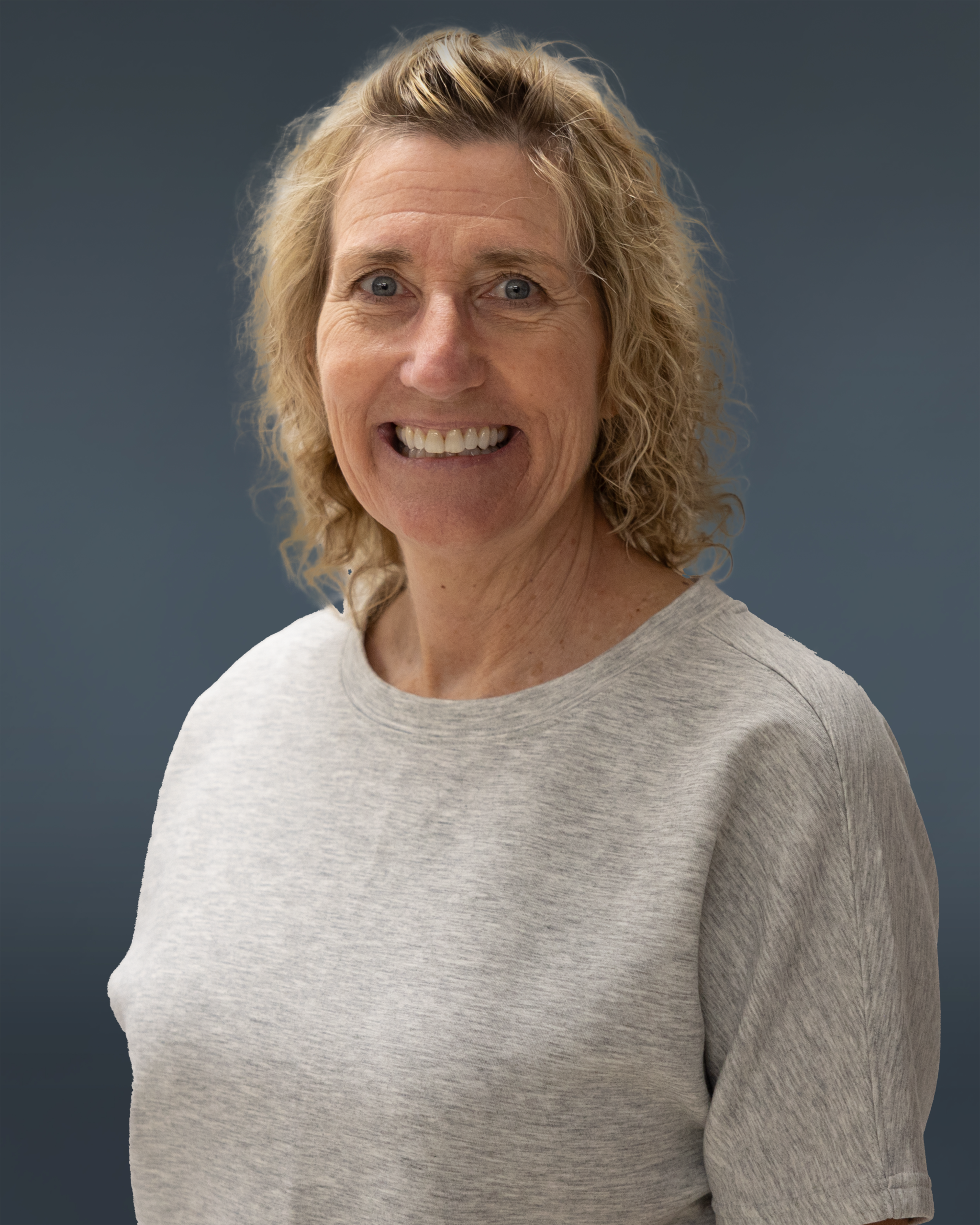 |
Michelle Kogel Professor, SAVE Program Coordinator 712-852-5274 | mkogel@iowalakes.edu Emmetsburg Campus |